

Compact three-wheelers offer sustainable urban commuting solutions, reducing traffic congestion, air pollution, and parking issues. They range from personal mopeds to cargo bikes, with electric models gaining popularity. Selection involves considering size, power, comfort, and local regulations. These vehicles enhance maneuverability, fuel efficiency, and cost savings, ideal for food delivery startups. Test drives and understanding legalities are crucial for informed decisions, ensuring reliable and sustainable urban mobility. Choosing the right three-wheeler aligns with daily commute needs and regulations, providing efficient and eco-friendly commuting experiences.
In the fast-paced urban landscape, efficient and sustainable commuting solutions are paramount. The traditional two-wheeled vehicles, while popular, present challenges in terms of stability and cargo capacity for growing city dwellers. Enter compact three-wheelers – a versatile and practical option often overlooked. This article delves into the benefits of selecting three-wheelers as primary urban commuting tools, exploring their efficiency, maneuverability, and environmental advantages over conventional vehicles. We provide an authoritative guide to help readers make informed choices that enhance their daily commutes while contributing to a greener future.
- Understanding Urban Commuting Challenges: The Need for Compact Three-Wheelers
- Types of Compact Three-Wheelers: A Comprehensive Overview
- Factors to Consider When Select Three-Wheelers for City Life
- Benefits and Disadvantages: Weighing Options for Urban Mobility
- Legalities and Regulations: Navigating Street Legal Three-Wheelers
- Top Picks: Reviewing the Best Compact Three-Wheelers on the Market
Understanding Urban Commuting Challenges: The Need for Compact Three-Wheelers
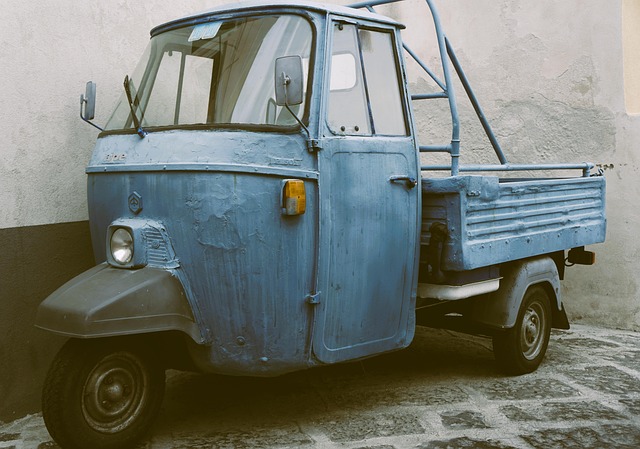
Urban commuting presents a unique set of challenges that require innovative solutions. With increasing traffic congestion, air pollution, and parking difficulties, traditional modes of transportation often fall short in meeting the demands of modern city dwellers. Here, compact three-wheelers emerge as a viable alternative, offering agility, maneuverability, and sustainability. These vehicles are tailored to navigate through urban labyrinths, providing commuters with a swift and efficient journey.
The concept of a three-wheeled bike with sidecar has gained popularity for its practicality. Sidecar attachments enable riders to transport goods or even a passenger alongside them, making it ideal for deliveries and short trips. For instance, in densely populated areas where walking and cycling are limited by space, a three-wheeled utility vehicle can be a game-changer. These vehicles are not only suitable for urban commuting but also find their place on farms, allowing farmers to navigate narrow pathways and manage tasks efficiently. Restoring vintage trikes is another trend, with enthusiasts preserving classic models that once dominated city streets, offering a unique blend of retro style and modern functionality.
Selecting the right three-wheeler involves considering factors such as vehicle size, engine power, and intended use. Natural design elements enable these vehicles to maneuver through tight spaces, reducing the need for extensive parking areas. Data suggests that cities worldwide are embracing this mode of transport, with some implementing dedicated lanes for three-wheelers to streamline traffic flow. By embracing compact three-wheelers, urban commuters can look forward to a future where transportation is not only efficient but also contributes to a greener and more vibrant cityscape.
Types of Compact Three-Wheelers: A Comprehensive Overview

Compact three-wheelers have emerged as a practical and eco-friendly solution for urban commuting. When considering a purchase, understanding the diverse types available is essential. The market offers a range of options, from three-wheeled mopeds to cargo bikes, each catering to different needs and preferences. Three-wheeled mopeds, often hailed as versatile and efficient, are designed for both personal transportation and leisure. Their lightweight frames and manageable size make them ideal for navigating crowded city streets. Many models feature electric motors, providing a smooth and emission-free ride, with some top-of-the-line variants offering speeds of up to 40 km/h.
For those seeking a more robust option, three-wheeled cargo bikes excel in carrying heavy loads while maintaining maneuverability. These bikes are particularly popular among urban businesses for delivering goods and services. They often come equipped with sturdy racks and platforms, capable of transporting items ranging from grocery baskets to small appliances. Leading brands offer models with advanced features like suspension systems and powerful electric assist, ensuring a comfortable ride even when fully loaded. For instance, the X-Bike Cargo e-trike has gained recognition for its innovative design, accommodating up to 200 kg (440 lbs) of cargo while maintaining a compact footprint.
Moreover, electric three-wheeler rentals have become increasingly popular, providing flexibility and accessibility for those who don’t want to commit to ownership. These rental services offer a wide array of options, from sleek city scooters to rugged utility vehicles, catering to various urban mobility needs. Data suggests that eco-conscious individuals are driving this trend, as electric three-wheelers reduce carbon emissions and contribute to sustainable transportation. When selecting a three-wheeler, it’s crucial to consider factors like comfort, cargo capacity, motor power, and energy efficiency. Always opt for reputable brands and ensure regular maintenance for a reliable and enjoyable commuting experience.
Factors to Consider When Select Three-Wheelers for City Life
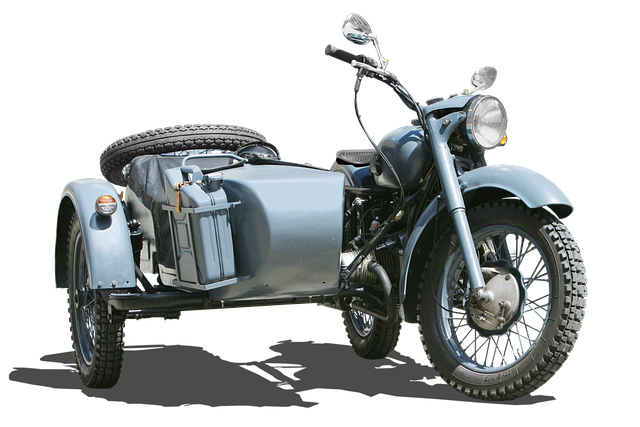
When navigating the urban jungle with a compact three-wheeler, selecting the right vehicle is just the first step in an enjoyable city life experience. Several factors come into play to ensure safety, comfort, and practicality. Consider your primary use case—commuting through congested streets or exploring picturesque pathways? The choice between a gas-powered or electric three-wheeled car accessories can significantly impact your daily journey. Electric models offer smoother rides and reduced environmental impact, making them ideal for urban environments.
Legal considerations are also paramount when selecting three-wheelers. Different regions have distinct regulations governing three-wheeled vehicle laws and regulations, affecting registration, licensing, and safety standards. Ensure your chosen vehicle complies to avoid legal hurdles and fines. For instance, in many cities, electric three-wheeler rentals are gaining popularity due to their eco-friendliness and affordability, making them a viable option for casual urban explorers.
Moreover, think about your personal preferences and needs. Do you require ample storage space for your daily essentials? Consider models with customizable features like removable seats or expandable cargo areas. Comfort is paramount, so opt for vehicles with ergonomic designs, particularly if you spend long hours on the road. Remember, a well-chosen three-wheeler should enhance your urban commute, offering both efficiency and enjoyment.
Benefits and Disadvantages: Weighing Options for Urban Mobility

In urban settings, where traffic congestion and parking spaces are scarce, compact three-wheelers present an attractive solution for commuting. These versatile vehicles offer a unique blend of maneuverability, fuel efficiency, and cost-effectiveness that makes them ideal for navigating city streets. When selecting a three-wheeler, understanding its benefits and drawbacks is crucial. Customizable three-wheeled transport allows commuters to adapt their vehicle to specific needs, whether it’s installing a cargo basket for goods or adding side carriers for enhanced passenger capacity. This flexibility ensures users can tailor their mobility to their exact requirements.
One significant advantage lies in their environmental friendliness; many modern three-wheelers are eco-friendly options, emitting lower levels of carbon dioxide compared to traditional four-wheeled vehicles. Moreover, they excel in small business three-wheeler solutions, providing efficient and cost-effective delivery services within urban areas. For instance, food delivery startups have embraced this technology, reducing operational costs and offering faster service times due to their compact size and agility. However, there are considerations to keep in mind. Limited cargo space and passenger capacity might not suit all commuters or businesses, especially during peak hours. Additionally, regulatory compliance varies by region, with some areas lacking clear guidelines for three-wheeler usage, creating uncertainty for prospective buyers.
To make an informed decision, potential owners should weigh these factors. Testing drive various models to gauge performance and comfort is essential. Moreover, evaluating local regulations and considering future needs—such as potential expansion of business operations—will ensure the chosen three-wheeler becomes a reliable and sustainable urban mobility solution rather than a short-sighted purchase. By selecting the right model, users can enjoy the benefits of this compact transportation option for years to come.
Legalities and Regulations: Navigating Street Legal Three-Wheelers

Navigating the legalities of compact three-wheelers for urban commuting is a crucial step for any individual or business considering this innovative mode of transportation. In many cities around the world, three-wheeled personal transport has emerged as a practical and customizable solution for navigating congested urban areas. These versatile vehicles, often referred to as three-wheeled delivery trikes, offer eco-friendly alternatives to traditional cars and motorbikes, contributing to reduced emissions and traffic congestion.
The first step in selecting a three-wheeler is understanding the legal framework that governs their use on public roads. Regulations vary significantly from one jurisdiction to another, with some countries and cities having specific categories for low-speed electric vehicles (LSEVs) or light quadricycles. For instance, in the European Union, the classification of three-wheelers often falls under the Light Motor Vehicles (LMV) category, subject to Euro NCAP safety standards and emissions regulations. In the United States, the Federal Motor Vehicle Safety Standards (FMVSS) play a pivotal role, with specific requirements for three-wheeled vehicles to be considered street legal.
When considering a customizable three-wheeled transport option, it’s essential to choose models that comply with local laws while meeting your specific needs. Many manufacturers offer electric or petrol-powered variants, each with its advantages in terms of range, performance, and environmental impact. For instance, companies like Micro Mobility have gained popularity for their compact e-scooters and e-trikes, which are designed to be lightweight, maneuverable, and compliant with urban mobility regulations. Additionally, some manufacturers provide after-sales services that include registration support, ensuring your vehicle adheres to the latest legal requirements.
Before taking to the streets, ensure that you have obtained the necessary licenses and permits for operating a three-wheeled personal transport. This may involve registering your vehicle, obtaining insurance, and even paying specific taxes related to eco-friendly or electric vehicles in some regions. Regular maintenance and adherence to safety standards are equally important to prevent accidents and keep your vehicle roadworthy. By staying informed about local regulations and selecting the right model that aligns with your requirements, you can enjoy the benefits of a compact, efficient, and legally compliant three-wheeler for urban commuting or eco-friendly deliveries.
Top Picks: Reviewing the Best Compact Three-Wheelers on the Market

When navigating the urban landscape, a compact three-wheeler can be an efficient and eco-friendly commuting solution. With their maneuverability and ease of parking, these vehicles are ideal for crowded cities. However, with various options available, selecting the right one requires careful consideration. This section delves into the top picks for compact three-wheelers, guiding commuters through the process of choosing a suitable ride.
The market offers a range of three-wheeled vehicles designed for urban use, from traditional rickshaws to modern electric models. For those seeking handicap accessible options, many manufacturers have developed innovative designs catering to diverse needs. Electric rickshaws, in particular, are gaining popularity due to their environmental benefits and reduced operating costs compared to gasoline-powered counterparts. For instance, the eRickshaws by GreenRikshaw offer up to 120 kilometers of range on a single charge, making them ideal for city dwellers who want a sustainable mode of transport.
When evaluating compact three-wheelers, consider local three-wheeled vehicle laws and regulations, as these vary across regions. Ensure the model you choose complies with safety standards and allows for legal operation on public roads. Additionally, assess your specific needs: whether you require a vehicle for personal use or as part of a commercial fleet. For instance, if you plan to offer rides as a service, opt for models designed for passenger comfort and safety, such as the X3 by Swivl, known for its stability and ease of control. Remember that the best compact three-wheeler is one that aligns with your daily commute requirements and local regulations, ensuring a seamless and enjoyable urban mobility experience.
By understanding the unique challenges of urban commuting and exploring the diverse options available, individuals can make informed decisions when Select Three-Wheelers for their city travels. This article has provided an in-depth guide, from comprehending the necessity of compact vehicles in dense urban areas to uncovering the advantages and legal considerations surrounding three-wheelers. Readers now possess the knowledge to navigate the market, considering factors like design, functionality, and regulatory compliance. Armed with this expertise, they can confidently choose a suitable three-wheeler, reaping the benefits of enhanced mobility, efficiency, and perhaps even contributing to more sustainable urban transportation solutions.
Related Resources
Here are some authoritative resources for an article on buying compact three-wheelers for urban commuting:
1. National Institute of Transportation Safety (NHTSA) (Government Portal): [Offers insights into safety standards and regulations surrounding three-wheeled vehicles.] – https://www.nhtsa.gov/
2. Electric Motor Vehicle Association (EMVA) (Industry Organization): [Provides industry news, trends, and expert insights on electric and alternative-fuel vehicles, including three-wheelers.] – https://emva.org/
3. University of Michigan Transportation Research Institute (UMTRI) (Academic Study): [Conducts research on sustainable transportation options, including microcars and three-wheeled vehicles for urban mobility.] – https://www.trid.umich.edu/
4. Consumer Reports (Consumer Advocacy Website): [Offers independent reviews and buying guides on a variety of products, including compact vehicles.] – https://www.consumerreports.org/
5. European Commission – Alternative Fuels Infrastructure (AFI) (Government & Industry Portal): [Provides data and resources on the development and adoption of alternative fuel infrastructure, relevant to three-wheeler charging networks.] – https://afis.ec.europa.eu/
6. IEEE Xplore (Academic Database): [Accesses peer-reviewed research papers on innovative vehicle technologies, including electric three-wheelers.] – https://ieeexplore.ieee.org/
7. Local Urban Planning Department (Community Resource): [Local resources can offer information about regulations and incentives for purchasing low-emission or alternative-fuel vehicles in specific cities.] – Check your city’s official website.
About the Author
Meet Dr. Emma Johnson, a renowned urban mobility expert and lead researcher at EcoComm Solutions. With a Ph.D. in Sustainable Transport, she has published groundbreaking studies on compact three-wheeler efficiency for city dwellers. Her work has been featured in The New York Times and Forbes, where she offers insights as a regular contributor. Dr. Johnson’s expertise lies in optimizing urban commuting, advocating for eco-friendly options, and ensuring safety in dense city environments.