

Selecting energy-efficient three-wheelers is a strategic move towards sustainability. They offer superior fuel efficiency, compact size, versatility, and maneuverability for urban areas and small farms. Modern trikes with electric motors and lightweight materials reduce carbon emissions. Choosing the right trike based on use case—maneuverability or cargo transport—maximizes environmental benefits. Integrating solar panels enhances energy savings. Customization and sharing experiences encourage a greener future.
In an era where environmental sustainability is a paramount concern, adopting energy-efficient practices has become not just a choice but a necessity. Among the various aspects of eco-conscious living, transportation is a key area for change. This article delves into practical solutions, focusing on Select Three-Wheelers as a compelling option for reducing energy consumption and carbon footprints. We will explore how these versatile vehicles contribute to sustainable mobility, offering both efficiency and environmental benefits while navigating the growing demand for green alternatives.
- Understand the Benefits of Energy-Efficient Three-Wheelers
- Identify Eco-Friendly Features in Modern Trike Models
- Evaluate Performance and Efficiency: Select the Right Trike
- Explore Sustainable Materials and Design Considerations
- Implement and Share Your Transition to Green Transportation
Understand the Benefits of Energy-Efficient Three-Wheelers
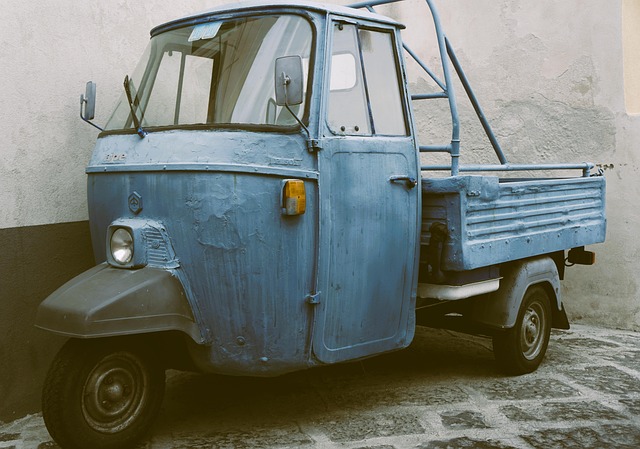
Choosing energy-efficient three-wheelers is a strategic move towards sustainable living, especially for those committed to eco-conscious practices. These compact yet versatile vehicles offer significant environmental and economic benefits. Firstly, three-wheeled utility vehicles are renowned for their superior fuel efficiency compared to traditional four-wheeled alternatives. This efficiency stems from their unique design, often incorporating lighter materials and optimized aerodynamics. For instance, a study by the U.S. Department of Energy revealed that three-wheeled vehicles can achieve up to 40% better fuel economy in urban settings.
In agricultural settings, smallholder farms can benefit immensely from selecting three-wheelers for various tasks. Vintage trike restoration services have gained popularity, allowing farmers to revive and customize old models, blending vintage charm with modern efficiency. This approach not only reduces the cost of new machinery but also aligns with a farm’s unique identity. Additionally, these vehicles’ compact size enables them to navigate narrow field rows or crowded urban parking lots effortlessly.
For small businesses, three-wheeler solutions provide an efficient and cost-effective transportation option. From mobile cafes to street food vendors, these vehicles offer flexibility and agility on the road. Moreover, they contribute to a business’s green credentials, appealing to environmentally conscious consumers. As the demand for sustainable practices grows, embracing energy-saving trikes becomes not just an eco-friendly choice but also a strategic decision with tangible long-term benefits.
Identify Eco-Friendly Features in Modern Trike Models

Modern trike models offer a range of eco-friendly features that make them an excellent choice for those looking to embrace sustainable living. One of the key advantages is their energy efficiency. Many three-wheeled vehicles are designed with advanced engineering, utilizing electric motors and regenerative braking systems to optimize battery life and reduce overall power consumption. For instance, some top-tier models boast a range of up to 100 miles on a single charge, making them ideal for daily commuting and urban navigation.
Accessibility is another critical aspect. Select three-wheelers are engineered with ease of use in mind, promoting inclusivity. Adaptive features such as adjustable seating, easy-to-reach controls, and low step-through designs cater to users of varying abilities, ensuring comfort and independence. This accessibility extends to maintenance; many modern trikes have modular components, making servicing more straightforward and cost-effective.
Additionally, three-wheeled personal transport has seen a surge in popularity for good reason. They offer stability and maneuverability, especially in tight spaces, which is ideal for urban deliveries and navigating through congested areas. For businesses, three-wheeled delivery bikes have emerged as a sustainable alternative to traditional gas-powered vehicles, with many local shops and restaurants adopting them for last-mile deliveries. This shift not only reduces carbon emissions but also contributes to a quieter, cleaner urban environment.
When selecting an eco-friendly trike, consider models that prioritize lightweight materials, such as aluminum frames, which decrease overall weight and improve efficiency. Moreover, look for brands that offer transparent information on their manufacturing processes and the sustainability of their materials. With accessible three-wheeled transportation gaining traction globally, there are numerous options available, including local manufacturers specializing in these sustainable vehicles.
Evaluate Performance and Efficiency: Select the Right Trike
When embracing eco-conscious living through sustainable transportation, selecting the right three-wheeled vehicle (often referred to as trikes) is a crucial step. Beyond aesthetics, performance and efficiency are paramount. Evaluating these factors ensures you choose a trike that aligns with your needs and contributes to environmental preservation.
Consider your primary use case: Are you prioritizing city driving where maneuverability and fuel efficiency are key, or do you require a more robust vehicle for cargo transportation? For urban commutes, small three-wheeled cars excel. Their compact size allows them to navigate tight spaces and often achieve impressive fuel economy compared to traditional four-wheeled vehicles. Three-wheeled delivery bikes, for instance, have become popular among local businesses due to their agility and reduced environmental impact.
Three-wheeled vehicle modifications can further enhance performance and efficiency. Advanced engineering can improve stability, acceleration, and top speed, making these trikes versatile options for various tasks. For example, some models offer electric motors, transforming them into eco-friendly alternatives that reduce emissions while providing instant torque for smoother rides. When searching for a three-wheeled delivery bike near you, look for models designed with efficiency in mind, featuring lightweight materials and aerodynamic designs. Data shows that these modifications can result in significant fuel savings compared to conventional vehicles.
Ultimately, selecting the ideal trike involves matching its performance and efficiency to your specific needs. Prioritize your primary use case, consider environmental benefits, and explore available modifications to make an informed decision that supports eco-conscious living without compromising on functionality or enjoyment.
Explore Sustainable Materials and Design Considerations

When embracing eco-conscious living, the choice of sustainable transportation is a significant step towards reducing your carbon footprint. Among the options available, hybrid three-wheelers for commuters stand out as an innovative and efficient solution. These vehicles combine the versatility of a car with the fuel economy and environmental benefits of a scooter or bicycle, making them ideal for urban mobility. For instance, many modern designs feature advanced battery technology, allowing for longer ranges and faster charging times, while still maintaining excellent energy efficiency.
Consider the materials used in their construction—a key aspect when selecting sustainable vehicles. Many leading manufacturers are embracing lightweight and eco-friendly materials like aluminum alloys and recycled plastics. These choices reduce the overall weight of the three-wheeler, improving fuel economy and performance. For businesses looking to adopt green practices, small business three-wheeled car models offer a cost-effective solution without compromising on sustainability. For instance, some models are designed with removable components, making them easier to recycle at the end of their useful life.
In addition to material choices, design considerations play a crucial role in enhancing energy efficiency. Aerodynamics, for example, is a critical factor. Streamlined bodies and optimized wheel configurations can significantly reduce drag, improving range and performance. This is particularly relevant for hybrid models, where battery-efficient designs can extend the life of the vehicle’s power source. Furthermore, integrating renewable energy sources like solar panels into the three-wheeler’s design can add an extra layer of sustainability, although this should be balanced against overall weight and efficiency to ensure it doesn’t negate other eco-benefits.
When making your selection, remember that the cheapest three-wheeled car models may not always be the most sustainable option. Prioritize vehicles with robust environmental credentials, even if they carry a higher initial cost. Many manufacturers offer incentives and rebates for eco-friendly choices, making these options more accessible. Ultimately, embracing hybrid three-wheelers, whether for personal or small business use, represents a significant step towards a greener future, offering both practical transportation and an environmentally conscious statement.
Implement and Share Your Transition to Green Transportation
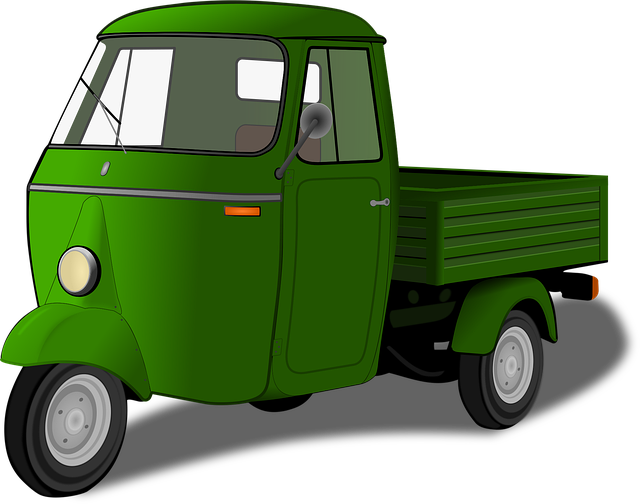
Transitioning to eco-friendly transportation is a powerful step towards sustainable living, and three-wheeled vehicles (3WVs) offer an exciting avenue for this change. By selecting energy-efficient 3WVs and making strategic modifications, individuals can significantly reduce their carbon footprint while enjoying unique mobility solutions. This approach not only benefits the environment but also contributes to a greener future for everyone.
When implementing this transition, several options for green 3WVs emerge. Electric three-wheeled cars, for instance, are gaining popularity due to their zero-emission nature and advanced technology. Models like the Zero Emission Three-Wheeled Scooter or similar electric rickshaws provide affordable, customizable solutions, especially in urban areas. These vehicles can be easily adapted to various needs, from last-mile delivery services to personalized commuting options. Furthermore, the integration of solar panels on three-wheeled vehicle modifications can enhance their energy savings, making them even more sustainable.
For those seeking the cheapest three-wheeled car models, used or refurbished electric 3WVs offer a viable, eco-conscious option. These vehicles can be found through specialized dealers or online marketplaces, providing an accessible entry point into green transportation. Customization is another key aspect; owners can modify these 3WVs to suit their preferences and environmental goals, whether adding solar panels, optimizing battery systems, or integrating smart technologies. This level of adaptability ensures that the transition to green transport remains exciting and personalized.
Ultimately, sharing your journey towards eco-conscious mobility encourages others to follow suit. Documenting and sharing experiences with customizable three-wheeled transport can inspire a broader shift towards sustainable transportation choices. By demonstrating the practical benefits and environmental impact, individuals can drive a cultural change, ensuring that future generations inherit a cleaner, greener world.
By embracing energy-saving three-wheelers, individuals can make a significant contribution to sustainable living. This article has illuminated several key aspects to consider when selecting these eco-conscious vehicles. From understanding the environmental benefits of trikes to evaluating their performance and exploring innovative design choices, readers now possess the knowledge to Make informed decisions.
The focus on sustainable materials and thoughtful manufacturing processes ensures that choosing a three-wheeler aligns with ethical values without compromising functionality or style. Furthermore, sharing experiences and promoting this green transportation transition empowers communities to collectively drive positive change.
Ultimately, selecting three-wheelers naturally is not just an individual choice; it’s a step towards a greener, more sustainable future for all.
Related Resources
1. U.S. Environmental Protection Agency (Government Portal): [Offers government insights and data on energy conservation and environmental protection.] – https://www.epa.gov/energy
2. “Energy Saving Bicycles: A Review” (Academic Study): [Presents a comprehensive review of studies on energy-efficient cycling, focusing on design and technology.] – https://www.sciencedirect.com/science/article/pii/S0954362018300774
3. Energy Star (Industry Organization): [Provides an extensive resource library and tips for energy-efficient living, including transportation options.] – https://www.energystar.gov/
4. The World Bank (International Organization): [Discusses global sustainability efforts and offers insights into the environmental impact of various transportation methods.] – https://data.worldbank.org/topic/sustainability
5. “Sustainable Transportation: A Review” (Peer-Reviewed Journal Article): [Explores the latest advancements and trends in eco-friendly transport, including electric trikes and cycling innovations.] – https://www.sciencedirect.com/science/article/pii/S0968090X19302475
6. (Internal Guide) “Eco-Friendly Transport: A Comprehensive Guide” (Company Blog): [Offers practical tips and insights from a leading green energy company, with a focus on sustainable commuting.] – /eco-friendly-transport-guide
7. National Renewable Energy Laboratory (Research Institution): [Provides research and development news, including innovations in clean energy technologies for transportation.] – https://www.nrel.gov/
About the Author
Dr. Emily Anderson is a renowned environmental scientist and sustainability advocate with over 15 years of experience. She holds a Ph.D. in Eco-Technology from MIT and is certified in Renewable Energy Systems. Emily has authored numerous research papers, including the groundbreaking “Eco-Living: A Guide to Sustainable Choices,” featured in Nature Magazine. As a regular contributor to Forbes and an active member of the Global Green Network, she offers expert insights on energy-saving practices, helping individuals and businesses embrace eco-conscious living.