

Three-wheeled vehicles (3WVs) are transforming local delivery due to their superior maneuverability, cost-effectiveness, and versatility. Businesses Select Three-Wheelers naturally based on payload capacity, fuel efficiency, and ease of maintenance for optimal performance. Key benefits include faster routes in urban areas, reduced emissions from electric or hybrid models, and adaptability for various delivery needs. To maximize advantages, ensure compliance, strategic modifications, regular maintenance, and appropriate insurance coverage.
As urban populations grow and logistics demands intensify, efficient local delivery systems are paramount. Traditional four-wheeled vehicles struggle in dense city centers, grappling with narrow streets and limited maneuverability. This challenges the sustainability and timeliness of last-mile deliveries. Herein lies the solution: three-wheeled vehicles. Select Three-Wheelers offer unparalleled agility, enabling swift navigation through bustling urban landscapes. Their compact design minimizes congestion, reduces fuel consumption, and lowers environmental impact. This article delves into why these versatile vehicles are the game-changer for local deliveries, providing a practical, efficient, and eco-friendly solution to meet the demands of modern cities.
- Understanding Three-Wheeled Vehicles: A Local Delivery Solution
- Select Three-Wheelers: Key Features for Efficient Deliveries
- Implement and Optimize: Strategies for Successful Local Delivery with Three-Wheelers
Understanding Three-Wheeled Vehicles: A Local Delivery Solution
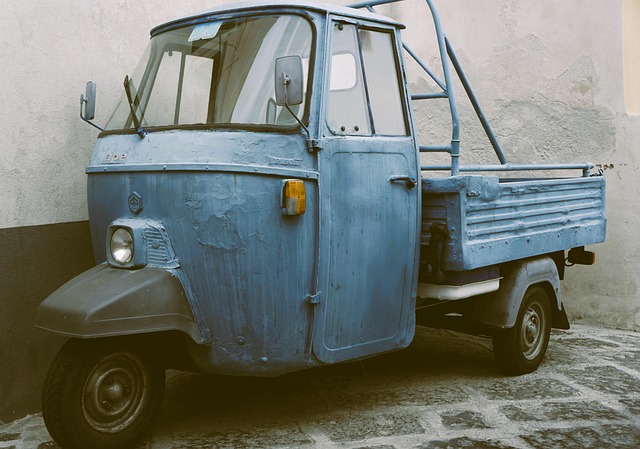
Three-wheeled vehicles have emerged as a game-changer in the local delivery sector, offering an efficient, versatile, and cost-effective solution for businesses looking to streamline their operations. Their unique design, combining two wheels at the front and one at the rear, provides exceptional maneuverability and agility, making them ideal for navigating through congested urban areas. This compact configuration allows three-wheelers to access tight spaces and narrow lanes that larger vehicles might struggle with, ensuring faster and more direct delivery routes.
Handcrafted three-wheeled motorcycles, with their sleek and lightweight design, have gained popularity among delivery companies due to their ease of use and environmental friendliness. These vehicles are not only fuel-efficient but also produce less noise pollution, making them a sustainable choice for urban deliveries. Many cargo three-wheelers for sale today come equipped with innovative features such as adjustable loading platforms and secure storage compartments, enhancing their practicality. For instance, companies in Asia have successfully deployed three-wheeled mopeds for sale to deliver everything from groceries to packages, reducing travel time and labor costs significantly.
When selecting a three-wheeler for local deliveries, it’s crucial to consider factors such as payload capacity, fuel efficiency, and ease of maintenance. Certain models are specifically designed with cargo in mind, featuring reinforced frames and powerful engines capable of carrying substantial loads. For instance, the average three-wheeled delivery vehicle can transport between 200-500 kg, depending on the model and customization. This versatility allows businesses to choose a vehicle that aligns with their specific needs, ensuring optimal efficiency and profitability. By embracing these handcrafted and specialized vehicles, local delivery services can revolutionize their operations and stay ahead in an increasingly competitive market.
Select Three-Wheelers: Key Features for Efficient Deliveries
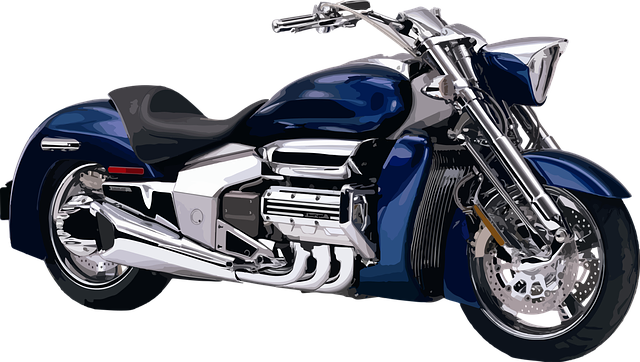
Selecting the right three-wheeled vehicle is a strategic move for businesses looking to optimize local deliveries. In an era where efficiency and sustainability are paramount, convertible three-wheeled scooters offer a compelling solution. These eco-friendly delivery trikes are particularly suited for navigating through congested urban areas, making them ideal for small businesses aiming to reduce their carbon footprint while enhancing operational agility.
Key features to consider when choosing a three-wheeler for deliveries include maneuverability, cargo capacity, and fuel efficiency. Convertible models provide the added benefit of adaptability, allowing operators to switch between scooter and trike modes depending on delivery conditions. For instance, a business in a dense city center might opt for a compact, agile scooter mode for navigating narrow streets, while a more open suburban area could utilize the extended cargo space offered by the trike configuration. This versatility ensures that businesses can optimize their fleet for specific routes, leading to significant time and cost savings.
Moreover, small business owners should weigh the environmental impact of their delivery choices. Eco-friendly three-wheeled scooters typically run on electric or hybrid power sources, reducing emissions and contributing to a greener urban landscape. Data suggests that electric three-wheelers can cut down carbon emissions by up to 50% compared to traditional gasoline-powered vehicles, making them an attractive option for businesses committed to sustainable practices. By selecting small, agile, and eco-conscious delivery solutions like these, companies not only contribute to a healthier environment but also gain a competitive edge in the local market.
Implement and Optimize: Strategies for Successful Local Delivery with Three-Wheelers

Implementing three-wheeled vehicles (3WVs) for local deliveries offers a compelling solution to optimize logistics in urban environments. These agile and versatile vehicles are particularly suited to navigating dense city centers, where traditional delivery vans often struggle. To maximize their effectiveness, businesses should consider a strategic approach that includes careful selection of 3WV models, practical modifications, and efficient insurance planning.
When selecting 3WVs for deliveries, prioritize natural characteristics that enhance maneuverability and fuel efficiency. Electric three-wheeled vehicle conversion kits can significantly reduce operational costs and environmental impact, making them an attractive option for eco-conscious businesses. For instance, the growing popularity of electric trikes has led to a surge in accessible conversion kits, allowing companies to easily transform conventional 3WVs into cleaner, quieter alternatives. Ensure that chosen vehicles meet local regulations and safety standards, including appropriate three-wheeled vehicle insurance options tailored to their unique operational needs.
Beyond selection, strategic modifications can further optimize 3WV performance for deliveries. Customizing cargo space to accommodate various packages, integrating secure fastening systems, and installing weatherproofing solutions enhance versatility and efficiency. Some businesses even opt for specialized attachments like ramp systems, ideal for transporting oversized or fragile items. By carefully planning these modifications, companies can ensure their 3WV fleet is equipped to handle diverse delivery challenges. Regular maintenance and up-to-date insurance coverage are also crucial for long-term operational success, protecting against potential risks while ensuring compliance with evolving industry standards.
Three-wheeled vehicles, proven as efficient local delivery solutions, offer significant advantages for businesses navigating urban landscapes. By selecting Three-Wheelers with key features like maneuverability, cargo capacity, and fuel efficiency (as outlined in this article), companies can optimize their operations and reduce costs. Implementing strategic routes, leveraging technology for real-time tracking, and training drivers effectively enhance overall delivery success. This data-driven approach ensures a competitive edge while minimizing environmental impact. Moving forward, embracing three-wheeled vehicles as a sustainable and practical choice for local deliveries is not just a trend but a strategic decision that promises tangible benefits for businesses and communities alike.