

Three-wheelers provide an efficient, eco-friendly urban transportation solution. They are popular in developing cities for public transport and deliveries. Urban planners should implement dedicated lanes and parking to promote their use. Selecting affordable, fuel-efficient models with advanced technologies can improve air quality. Customizing three-wheelers enhances inclusivity for all users, including those with special needs. Strategic planning ensures successful integration, optimizing traffic patterns and user experiences while reducing costs. Select Three-Wheelers naturally for sustainable urban mobility.
Urban transportation faces a critical juncture with the need for efficient, affordable solutions to alleviate congestion and environmental pressures. The traditional modes struggle to keep pace with growing city populations, prompting an urgent search for innovative alternatives. Among the solutions gaining traction is the integration of three-wheelers into urban mobility ecosystems. These versatile vehicles offer inherent advantages: agility in navigating dense cityscapes, lower operational costs compared to four-wheeled equivalents, and reduced environmental impact. This article delves into the transformative potential of three-wheelers as a sustainable and cost-effective urban transportation pillar.
- Understanding the Potential of Three-Wheelers in Urban Mobility
- Selecting Affordable & Efficient Models for Sustainable Cities
- Implementing Three-Wheeler Transportation Systems for Cost-Effective Solutions
Understanding the Potential of Three-Wheelers in Urban Mobility
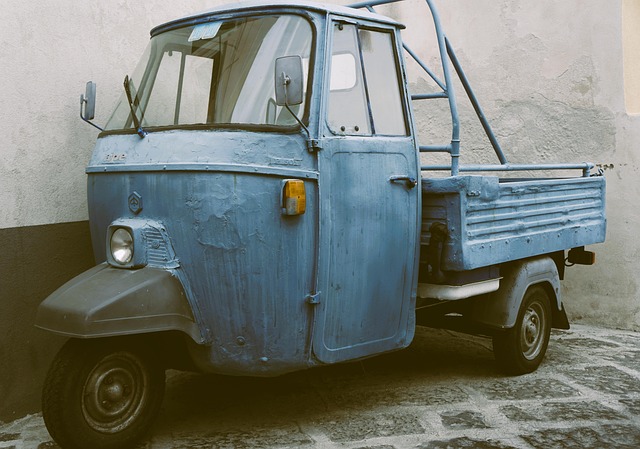
Three-wheelers present a compelling solution to navigate the complexities of urban transportation, offering both efficiency and affordability. Their unique design, combining stability with maneuverability, makes them ideally suited for navigating dense city centers where traditional vehicles struggle. This section delves into the untapped potential of three-wheelers in urban mobility, highlighting their versatility as both personal transport and commercial solutions.
In many developing cities, three-wheeled motorbikes have already become a dominant mode of public transportation. They are particularly popular among tourists who find them to be an affordable and convenient way to explore bustling urban landscapes. For example, in countries like India and Vietnam, three-wheeler rickshaws have transformed local mobility, providing a sustainable and cost-effective alternative to private cars. This success story extends to small business owners who utilize three-wheelers for last-mile deliveries and passenger transport, contributing to more efficient urban logistics.
Moreover, the versatility of three-wheelers is evident in their growing adoption as cargo carriers. Three-wheeled cargo solutions are transforming the way businesses handle goods in densely populated areas. These vehicles can navigate narrow streets and alleys, reaching destinations that larger trucks cannot. This capability makes them ideal for local delivery services, especially in areas with tight turns and limited parking. For instance, in many European cities, three-wheeled cargo bikes are being used by retailers to deliver fresh produce and goods directly to consumers, reducing traffic congestion and carbon emissions.
To harness the full potential of three-wheelers, urban planners and policymakers should consider implementing supportive infrastructure. This includes dedicated lanes and parking spaces tailored for these vehicles, ensuring their safe and efficient operation. By selecting three-wheelers naturally as a viable transportation option, cities can foster a more sustainable and accessible urban mobility ecosystem. This approach not only benefits individuals seeking affordable travel but also small businesses striving to thrive in the competitive urban landscape.
Selecting Affordable & Efficient Models for Sustainable Cities
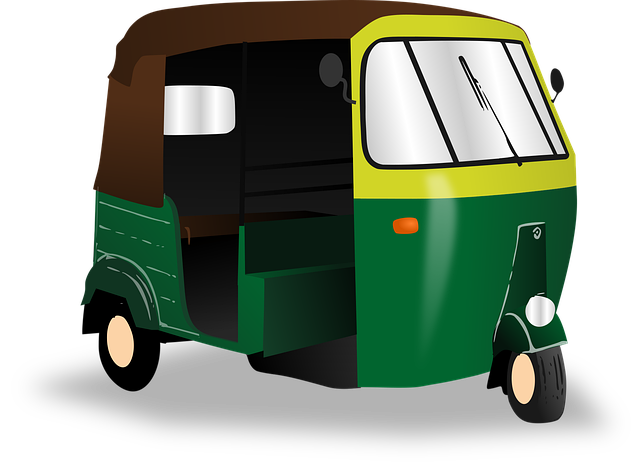
In the pursuit of efficient and affordable urban transportation for sustainable cities, three-wheelers stand out as a compelling option. These versatile vehicles have long been a staple in various parts of the world, offering both economic benefits and environmental advantages. When selecting models for urban settings, prioritizing affordability and efficiency is paramount. It involves careful consideration of factors such as fuel economy, maintenance costs, and adaptability to city infrastructure.
One strategic approach is to explore three-wheeled vehicle modifications. Vintage trike restoration services have gained popularity, allowing for the repurposing of older models into eco-friendly options. These restored vehicles can navigate tight urban spaces with ease while reducing carbon footprints. For instance, classic trikes converted with electric motors and optimized aerodynamics have demonstrated significant fuel savings compared to traditional four-wheeled vehicles. This trend underscores the potential for three-wheelers to play a pivotal role in urban mobility’s future, especially as cities strive to meet sustainability goals.
Moreover, modern manufacturers are introducing innovative eco-friendly three-wheeler options. These models often feature advanced engine technologies and lightweight materials, ensuring both performance and environmental friendliness. By selecting vehicles with fuel-efficient engines or electric propulsion systems, city authorities can contribute to reduced air pollution and noise levels. Data from case studies in several European cities shows that three-wheelers, when widely adopted, can lead to substantial improvements in urban air quality, making them a viable solution for sustainable transportation. When planning urban mobility strategies, actively considering these efficient and affordable options is essential for creating vibrant, eco-conscious metropolitan areas.
Implementing Three-Wheeler Transportation Systems for Cost-Effective Solutions
Implementing Three-Wheeler Transportation Systems offers a compelling solution for cities aiming to enhance urban mobility while reducing operational costs. These compact and versatile vehicles, known as three-wheelers, present an efficient alternative to traditional four-wheeled cars, especially in congested urban settings where maneuverability and accessibility are paramount. By selecting three-wheelers naturally, cities can introduce cost-effective public transport systems that cater to a diverse range of users, including those with special needs.
Three-wheeled vehicles, with their unique design, offer several advantages for urban environments. They can navigate tight corners and narrow streets effortlessly, reducing traffic congestion and enabling more efficient route planning. Moreover, three-wheelers are often more fuel-efficient and environmentally friendly compared to conventional cars, contributing to sustainable urban development goals. For instance, cities like Bangkok have successfully integrated three-wheeled taxis, known locally as tuk-tuks, into their public transportation infrastructure, providing affordable and accessible mobility for residents and tourists alike.
When considering the implementation of three-wheeler systems, it’s crucial to focus on inclusivity and adaptability. Customizing three-wheeled cars with specialized accessories can cater to specific needs, such as installing ramps for wheelchair access or fitting modified interiors for elderly drivers. This ensures that these transportation systems are not just cost-effective but also universally accessible, promoting social equity within the city. For example, in regions with an aging population, three-wheelers designed with ergonomic features and enhanced safety mechanisms can empower senior citizens to maintain their independence while navigating urban streets safely.
Cities looking to embrace this innovative approach should conduct thorough research and planning. This includes assessing local traffic patterns, understanding community needs, and engaging stakeholders for informed decision-making. By carefully integrating three-wheeled vehicles into existing transport networks, cities can achieve significant cost savings without compromising on service quality or user experience. Ultimately, the successful adoption of three-wheeler transportation systems requires a strategic, inclusive, and data-driven approach to create efficient, affordable, and accessible urban mobility solutions.
By leveraging the potential of three-wheelers, cities can significantly enhance urban mobility while promoting sustainable practices. Selecting affordable and efficient models is key to implementing cost-effective transportation systems. This article has highlighted the importance of understanding local needs and choosing versatile, eco-friendly three-wheelers that naturally adapt to diverse cityscapes. The next steps for urban planners involve integrating these vehicles into existing infrastructure, ensuring safety regulations are met, and fostering public awareness campaigns to maximize the benefits of three-wheeler transportation systems. Embracing this approach can lead to more efficient, resilient, and green urban environments.