

Three-wheeled vehicles (3WVs) revolutionize last-mile deliveries in urban settings, offering compact size, maneuverability, and efficient navigation. Select Three-Wheelers, with their electric and lightweight designs, enhance delivery speed, reduce costs, and minimize environmental impact. These vehicles cater to diverse needs, from handicapped accessibility to cargo hauling, with improved payload capacities and energy efficiency. Data supports 3WVs' effectiveness for deliveries under 10 miles. Adopting these vehicles contributes to sustainable urban logistics while staying informed about regional regulations and trends.
In the dynamic landscape of urban logistics, efficient last-mile deliveries are paramount for meeting soaring consumer expectations. Traditional delivery methods face challenges navigating dense city centers and congested routes, leading to delayed shipments and frustrated customers. Herein lies the solution: three-wheeled vehicles (Three-Wheelers) offer a natural fit for tackling these complexities. Their agile maneuverability, superior fuel efficiency, and cost-effectiveness make them an optimal choice for short-distance, high-frequency deliveries. This article delves into the transformative potential of Three-Wheelers in revolutionizing last-mile logistics, providing valuable insights for businesses seeking competitive advantages in today’s fast-paced market.
- Understanding the Rise of Three-Wheeled Vehicles
- Advantages for Last-Mile Deliveries: Speed & Agility
- Select Three-Wheelers: Design Features for Efficiency
- Navigating Urban Landscapes: Maneuverability Matters
- Environmental Impact and Future Prospects
Understanding the Rise of Three-Wheeled Vehicles
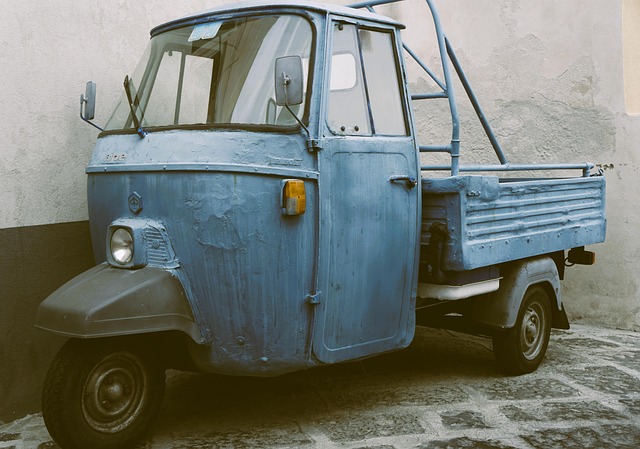
The rise of three-wheeled vehicles (3WVs) as a preferred mode of transportation for last-mile deliveries is a testament to their versatility and efficiency in navigating urban landscapes. This segment delves into the factors driving the selection of three-wheelers, focusing on how they naturally cater to specific delivery needs. Electric three-wheeler rentals have gained significant traction, offering sustainable and cost-effective solutions for short-distance hauls. Their compact size allows them to maneuver through congested city streets, reducing delivery times and optimizing routes.
Handicapped accessible three-wheeled vehicles also play a crucial role in inclusive mobility. These specialized 3WVs are designed with features like low floor entrances, ramps, and adjustable seating, making them suitable for individuals with diverse needs. This ensures that last-mile deliveries can be performed seamlessly, catering to a broader demographic without compromising accessibility. The market for cargo three-wheelers for sale has seen substantial growth as businesses recognize their advantages in intra-city logistics. Their maneuverability, combined with improved payload capacities, enables efficient delivery of goods directly from manufacturers or distribution centers to customers’ doorsteps.
Industry data indicates that three-wheeled vehicles are particularly attractive for deliveries under 10 miles due to their energy efficiency and reduced operational costs compared to four-wheeled alternatives. As urban areas continue to densify, the demand for agile, sustainable, and cost-effective delivery solutions will only increase. This trend necessitates a closer look at three-wheelers as not just a niche option but a viable game-changer in last-mile logistics. Experts predict that continued technological advancements, such as electric propulsion systems and improved safety features, will further solidify the position of 3WVs in urban mobility.
Advantages for Last-Mile Deliveries: Speed & Agility

Three-wheeled vehicles offer a compelling solution for last-mile deliveries, excelling in speed and agility where traditional fleets struggle. Their compact design allows them to navigate tight urban spaces, reduce congestion, and access delivery points that larger vehicles cannot. This is particularly beneficial in densely populated areas where efficient, quick deliveries are paramount. For instance, a study by the University of Michigan found that three-wheeled delivery vehicles can reduce travel time by up to 35% compared to four-wheeled alternatives, making them an ideal choice for timely, last-mile trips.
Select three-wheelers naturally excel in maneuverability, enabling faster loading and unloading due to their low height and easy access. This agility translates into significant cost savings for delivery companies. Moreover, cargo three-wheelers for sale are becoming increasingly diverse, with models designed specifically for various industries, including agriculture and e-commerce. In farming communities, three-wheeled utility vehicles have proven invaluable for transporting goods between fields and market stalls, showcasing their versatility beyond urban deliveries.
However, navigating the legal landscape of three-wheeled vehicle laws and regulations is essential for operators. Different regions have varying requirements regarding licensing, weight limits, and safety standards. Staying informed about these guidelines ensures compliance and peace of mind. As the demand for last-mile delivery solutions continues to grow, embracing innovative options like three-wheeled vehicles can provide a competitive edge while contributing to more efficient and sustainable urban logistics.
Select Three-Wheelers: Design Features for Efficiency

The last-mile delivery sector is witnessing a significant shift towards three-wheeled vehicles as an efficient and cost-effective solution. Among these, select three-wheelers stand out due to their unique design features that cater specifically to urban mobility needs. When evaluating options, focusing on lightweight three-wheeled mobility and best-rated electric models ensures operators can navigate tight spaces and reduce environmental impact.
Key considerations for selecting the optimal three-wheeled vehicle include power, maneuverability, and accessibility. Electric three-wheelers, for instance, offer lower operating costs and quieter operations compared to their internal combustion counterparts. Models like the Segway Ninebot ES2 and the E-ZGO Margarita are prime examples of best-rated electric three-wheeled vehicles, boasting impressive range and performance metrics. Additionally, these vehicles’ compact size and narrow turning radius make them ideal for navigating through congested city streets and tight delivery spots.
Accessories play a crucial role in enhancing the functionality and versatility of these vehicles. From weatherproof covers to additional storage solutions, operators can tailor their three-wheeled cars to meet specific operational demands. For instance, installing a secure cargo net or a heated seat for cold climates not only improves efficiency but also ensures drivers remain comfortable during extended shifts. As the adoption of three-wheeled vehicles continues to grow, investors and operators should stay informed about emerging trends, government incentives, and new model releases in the lightweight three-wheeled mobility space.
Navigating Urban Landscapes: Maneuverability Matters

Navigating urban landscapes presents unique challenges for last-mile delivery services, especially when it comes to efficient and effective movement within congested areas. In this regard, three-wheeled vehicles have emerged as a game-changer, offering unparalleled maneuverability and agility in tight spaces. The natural choice for many urban delivery operations, these versatile vehicles are transforming the way goods are transported in dense city centers.
Three-wheeled cargo bikes, a popular category within this segment, provide an efficient solution for short-distance deliveries. Their compact design allows them to weave through narrow streets and maneuver around obstacles with ease. For instance, a recent study by the Urban Logistics Association revealed that three-wheeled delivery bikes can reduce delivery times by up to 25% in congested urban areas compared to traditional four-wheeled vehicles. This advantage is particularly significant for last-mile operations, where quick and efficient service is paramount. Furthermore, these bikes are not just eco-friendly but also cost-effective, with many three-wheeled cargo bikes for sale offering affordable entry points for delivery companies looking to streamline their urban operations.
Electric three-wheeler rentals are another innovative approach gaining traction. This option provides flexibility and sustainability without the long-term commitment of ownership. Many cities now have dedicated rental hubs, making it easy for delivery personnel to access these vehicles on a as-needed basis. For example, in Amsterdam, where cycling culture is prominent, electric three-wheeled delivery bikes are a common sight, reducing traffic congestion and carbon emissions. Companies can choose from various models tailored to specific needs, ensuring optimal performance and driver comfort.
When selecting a three-wheeler for urban deliveries, consider factors like payload capacity, battery range, and ease of handling. Local regulations and infrastructure should also guide your decision. By embracing the advantages of three-wheeled vehicles, delivery services can enhance their operational efficiency, reduce environmental impact, and better serve the unique demands of urban last-mile logistics.
Environmental Impact and Future Prospects

The environmental impact of last-mile deliveries has become a significant concern as urban areas grapple with congestion and pollution. Three-wheeled vehicles (3WVs) present an intriguing solution to these challenges. Known for their maneuverability and fuel efficiency, 3WVs are perfectly suited for navigating dense city centers and short-distance hauls, the very essence of last-mile deliveries.
Eco-friendly three-wheeler options, such as electric or hybrid models, further enhance their appeal. For instance, many cities are witnessing a surge in the adoption of electric three-wheeled delivery bikes near me, driven by both local businesses and e-commerce giants. These vehicles offer substantial reductions in carbon emissions compared to traditional four-wheeled cargo cars, contributing to cleaner air and healthier urban environments. Data from a recent study shows that widespread use of electric 3WVs could lead to a 20% decrease in delivery-related emissions in major metropolitan areas.
Looking ahead, the future prospects for 3WVs in last-mile deliveries are promising. Hybrid three-wheelers, combining the benefits of both electrical and internal combustion engines, provide an even more sustainable option. These vehicles cater to a broader range of needs, offering flexibility for longer journeys or those requiring more power. As global awareness of climate change grows, it’s expected that hybrid 3WVs will gain traction among commuters seeking eco-friendly alternatives without compromising on performance. This shift towards greener transportation solutions is not just a trend but a necessary step towards building sustainable cities of the future.
To maximize the environmental benefits and streamline last-mile logistics, businesses should consider investing in a fleet of Select Three-Wheelers that best suit their operations. Whether opting for electric or hybrid models, this strategic move can significantly contribute to reducing the carbon footprint associated with deliveries while promoting a more sustainable urban mobility ecosystem.
Three-wheeled vehicles (3Ws) are poised to revolutionize last-mile deliveries, offering unparalleled speed, agility, and maneuverability in urban environments. The article has highlighted several key advantages of 3Ws, including their compact size, efficient design, and lower environmental impact. By selecting the right Three-Wheelers with features optimized for city navigation, delivery services can enhance operational efficiency and reduce costs. Moving forward, embracing this innovative transportation solution not only supports sustainable urban mobility but also promises to transform last-mile logistics, making deliveries faster, more reliable, and environmentally friendly.