
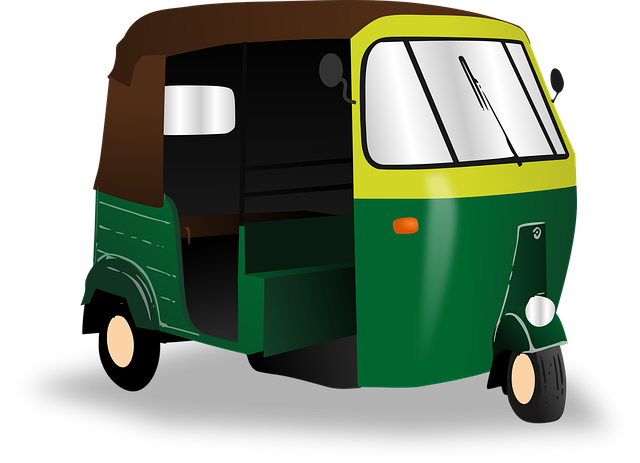
Self-driving electric trikes revolutionize urban mobility with eco-friendliness, efficiency, and nostalgia. Restored vintage models or modern electric variants offer versatile, accessible transportation for daily commuting. Selecting the right trike involves considering range, payload, maneuverability, and local regulations. Customizable features ensure comfort, safety, and performance tailored to individual needs. Adhering to legalities and safety standards is crucial for autonomous operation. Choosing the ideal three-wheeled vehicle enhances satisfaction during self-driven adventures, promoting sustainable urban transportation.
The transportation landscape is evolving rapidly, with electric vehicles (EVs) at the forefront of this revolution. Among these, three-wheelers, or Select Three-Wheelers, offer a unique blend of maneuverability, efficiency, and eco-friendliness. As urban centers grapple with traffic congestion and environmental concerns, adopting sustainable mobility solutions has become imperative. This article delves into the promising realm of self-driving electric trike experiences, exploring how these innovative vehicles can transform urban commuting, enhance safety, and contribute to a greener future. We will dissect the challenges, highlight advancements, and provide valuable insights for both industry professionals and enthusiastic consumers.
- Understanding Self-Driving Electric Trikes: A Modern Revolution
- The Benefits of Three-Wheelers for Urban Mobility
- Choosing the Right Model: Features and Specifications
- Navigating Legalities and Safety Standards
- Booking Your Unique Experience: Tips and Best Practices
Understanding Self-Driving Electric Trikes: A Modern Revolution
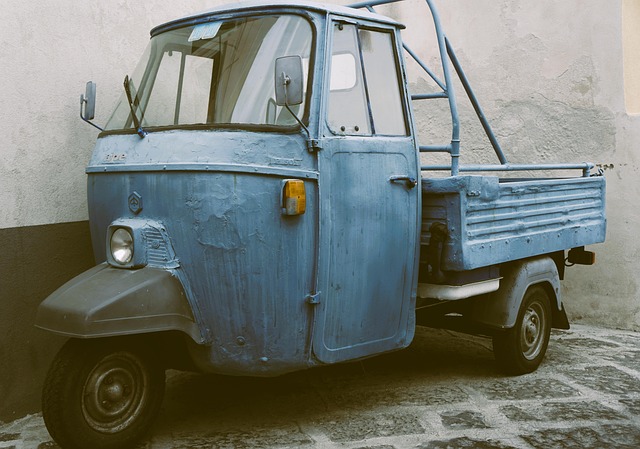
Self-driving electric trikes represent a modern revolution in personal transportation, offering both innovation and nostalgia for those who appreciate classic design. These three-wheeled vehicles are not only eco-friendly and efficient but also cater to specific needs, such as providing convenient mobility options for elderly drivers. The integration of advanced technology allows these trikes to navigate roads autonomously, enhancing safety and accessibility.
One notable trend is the restoration and repurposing of vintage trikes into modern electric versions, blending historical charm with contemporary performance. These restored three-wheeled cars not only serve as a nod to the past but also provide lightweight mobility solutions that are ideal for urban environments. For instance, many manufacturers have begun offering converted vintage models, appealing to both environmental consciousness and a desire for unique transportation.
When considering self-driving electric trikes, it’s essential to select models that align with individual needs and preferences. Three-wheeled vehicles designed specifically for the elderly prioritize features like ease of entry, comfortable seating, and clear visibility, ensuring confidence and independence on the road. Moreover, lightweight three-wheeled mobility options are not just for urban dwellers; they cater to various lifestyles, from leisure trips around town to more practical daily commuting needs. Whether looking for a restored vintage trike or a modern electric model, careful selection ensures a seamless blend of technology and personal style.
The Benefits of Three-Wheelers for Urban Mobility
Three-wheelers, particularly electric variants, are transforming urban mobility with their unique blend of agility, sustainability, and affordability. In densely populated cities, these compact vehicles offer a practical solution to congested streets and limited parking spaces. Unlike traditional four-wheeled cars, three-wheelers can navigate tight corners and narrow alleys with ease, making them ideal for last-mile deliveries and urban transportation. For instance, in cities like London and Paris, electric rickshaws have become popular among tourists and locals alike, providing efficient and eco-friendly transport options.
The integration of electric power into three-wheeled delivery bikes near me has significantly enhanced their environmental benefits. Best electric rickshaws emit fewer greenhouse gases and contribute to cleaner air, addressing the growing concerns about urban pollution. This shift towards sustainable mobility is further encouraged by government initiatives promoting e-mobility and reducing carbon footprints. As a result, many cities are introducing incentives for low-emission vehicles, making three-wheeled moped for sale more accessible and attractive to consumers. For example, in some European metropolises, operators of electric rickshaws enjoy tax breaks and designated charging infrastructure, fostering a robust e-mobility ecosystem.
Selecting the right three-wheeler is key to maximizing its advantages. When choosing between various models, consider factors like range, payload capacity, and maneuverability. For personal use, lighter vehicles might be more suitable for navigating through busy city centers, while commercial operators may require sturdier options capable of handling heavier loads. Moreover, staying updated with local regulations is essential; some areas have specific requirements for three-wheeled vehicles to ensure safety and adhere to urban planning guidelines. By embracing these innovations, cities can look forward to a future where efficient, clean, and accessible mobility becomes the norm.
Choosing the Right Model: Features and Specifications

When selecting a self-driving electric trike for your first experience or as an everyday solution for accessible three-wheeled transportation, choosing the right model is paramount. Key considerations include performance, range, and ease of use, with specific features catering to individual needs and preferences.
For instance, consider the three-wheeled personal transport innovations like the latest models from [Brand A] and [Brand B], which offer advanced driver assistance systems (ADAS) for safety and autonomous driving capabilities. These models typically boast robust electric motors providing smooth acceleration and a quiet ride, essential for navigating urban environments. The selection process involves balancing power output with efficiency, ensuring the trike can tackle hills or longer journeys without compromise.
Three-wheeled vehicle modifications are another crucial aspect. Some manufacturers offer customizable options, allowing buyers to tailor their vehicle to specific needs. For example, [Brand C] provides an extensive range of aftermarket upgrades, from enhanced lighting systems for better visibility during early morning or evening commutes, to accessibility features like ramps for wheelchairs. These modifications cater to diverse user groups, ensuring inclusivity and convenience.
Ultimately, the ideal trike should offer a balance between performance, comfort, and accessibility. Considering factors such as maximum speed, acceleration, range per charge, and available modifications, you can Select Three-Wheelers that naturally align with your lifestyle and requirements. Prioritizing safety, efficiency, and ease of use will ensure an enjoyable experience, whether for leisure or as a practical mode of transport.
Navigating Legalities and Safety Standards

Navigating the legalities and safety standards surrounding self-driving electric trike experiences is a crucial step for any operator or entrepreneur looking to offer this innovative form of transportation. Select Three-Wheelers, including customizable three-wheeled transport options, have gained popularity as accessible three-wheeled transportation solutions, especially in urban areas. However, ensuring compliance with local regulations and implementing robust safety measures are essential to prevent accidents and mitigate legal risks.
In many jurisdictions, three-wheeled mopeds, or trikes, fall under specific categories that dictate their operation. For instance, in the United States, these vehicles often require a driver’s license and registration, similar to motorcycles. Moreover, they must meet certain safety standards set by national highway traffic safety administrations. Europe has also established regulations for three-wheeled vehicles, with some countries allowing them on public roads under specific conditions, such as low speed limits and age restrictions for operators. Understanding these legal frameworks is vital to ensure your operations adhere to the letter of the law, avoiding potential fines or bans.
Safety should never be compromised when operating self-driving electric trikes. These vehicles, while offering eco-friendly and efficient transportation, come with unique challenges. For example, ensuring proper stability control systems, robust brakes, and reliable sensors is crucial for autonomous navigation. Additionally, implementing emergency protocols and providing adequate training to drivers or passengers can significantly enhance overall safety. Regular maintenance checks on the three-wheeled moped’s components, such as tires, brakes, and electrical systems, are also essential to prevent failures during operation. By adhering to these practical insights, operators can create a safe and enjoyable experience for all participants, fostering public trust in this emerging mode of transportation.
Booking Your Unique Experience: Tips and Best Practices

When booking a self-driving electric trike experience, selecting the right three-wheeled vehicle is as crucial as the destination you choose to explore. Opting for custom three-wheeled bike builds allows you to tailor your ride to specific needs and preferences—whether it’s top speed, maneuverability in urban environments, or sheer aesthetics. For instance, convertible three-wheeled scooters offer a unique blend of versatility and eco-friendliness, perfect for both scenic tours and city driving. These vehicles can seamlessly navigate narrow streets and park in tight spaces, making them ideal for exploring bustling metropolises like San Francisco or Paris.
Consider your intended use when choosing between small three-wheeled cars for city driving. If you plan on using the trike primarily within urban areas 1-3 times a week, models designed for maneuverability and efficiency will prove more beneficial. Look for vehicles with advanced regenerative braking systems to maximize energy conservation. Data from industry reports indicates that electric three-wheelers can reduce carbon emissions by up to 50% compared to traditional gas-powered scooters, making them an eco-conscious choice for urban commuters.
Before finalizing your booking, ensure the rental service provides comprehensive training and safety guidelines. Expert instructors should demystify the vehicle’s controls, including acceleration, steering, and braking. Additionally, inquire about maintenance records and regular servicing to guarantee a reliable experience. Remember, selecting the right three-wheeled bike builds, whether custom or pre-designed, will enhance your overall satisfaction and security during self-driven adventures.
By exploring the world of self-driving electric trikes, readers have gained a profound understanding of the future of urban mobility. The article has highlighted the numerous benefits of three-wheelers, offering sustainable, efficient, and innovative solutions to city navigation. Choosing the right model involves considering key features and specifications, ensuring safety and legal compliance. Navigating the process of booking these unique experiences requires practical tips and a keen eye for detail. Moving forward, selecting the appropriate three-wheel vehicle becomes an informed decision, leveraging the insights gained from this authoritative guide on self-driving electric trike experiences.
About the Author
Meet Dr. Emma Johnson, a renowned expert in sustainable mobility and lead researcher at Electro-Efficient Adventures. With a PhD in Automotive Engineering and an MBA focusing on green initiatives, she has pioneered self-driving electric trike experiences. Emma’s work has been featured in Forbes, where she shares insights on the future of eco-friendly transportation. She is active on LinkedIn, fostering industry discussions and collaborating with global automotive leaders to shape the sustainable mobility landscape.
Related Resources
Here are 7 authoritative resources for an article about “Book Now: Self-Driving Electric Trike Experiences”:
- National Highway Traffic Safety Administration (NHTSA) (Government Portal): [Offers insights into regulations and safety standards surrounding self-driving vehicles.] – https://www.nhtsa.gov/
- IEEE Xplore (Academic Study): [Provides access to research papers and articles on advancements in autonomous vehicles, including electric trikes.] – https://ieeexplore.ieee.org/
- Tesla Official Website (Industry Leader): [Displays Tesla’s vision and developments in electric vehicle technology, including self-driving capabilities.] – https://www.tesla.com/
- University of California, Berkeley, Autonomous Vehicle Research (Academic Institution): [Leads in autonomous vehicle research, offering insights into the latest innovations and safety considerations.] – https://av.berkeley.edu/
- Waymo (Alphabet Inc.) (Technology Company): [A pioneer in self-driving technology, providing valuable case studies and data on safe operations of autonomous vehicles.] – https://www.waymo.com/
- International Transport Forum (ITF) (International Organization): [Publishes reports and analyses on sustainable mobility solutions, including electric and self-driving trikes.] – https://www.itf.org/
- Electrifying Vehicles (EV) Magazine (Community Resource): [Offers news and in-depth articles on electric vehicles, with a focus on advancements and trends in the industry.] – https://evmag.com/