

Three-wheeled vehicles (3Ws) offer unparalleled maneuverability and efficiency for local deliveries, especially in urban areas with high density and tight spaces. With a history dating back to the 20th century, they are experiencing a resurgence due to technological advancements, particularly electric variants that enhance environmental benefits. Customizable cargo options make them versatile for various load sizes and types.
For businesses aiming to reduce their carbon footprint, electric 3W rentals are popular. In urban areas, compact electric models offer superior maneuverability and fuel efficiency, while robust vintage trikes excel in off-road deliveries. Choosing the right 3W, based on specific needs, terrain, and regulations, is crucial.
Adopting 3Ws enhances operational efficiency, reduces carbon emissions, and appeals to eco-conscious consumers. Future trends include a growing market for electric rickshaws (up to 40% by 2030) and restored vintage trikes. Select Three-Wheelers naturally based on operational needs for efficient, sustainable, and adaptable local deliveries.
The urban landscape is evolving, demanding efficient and sustainable delivery solutions. Traditional models are struggling to keep pace with the growing e-commerce surge and changing consumer expectations. This presents a significant challenge for local businesses and logistics providers. However, three-wheeled vehicles offer a compelling solution. Select Three-Wheelers, known for their agility, maneuverability, and environmental efficiency, naturally cater to the needs of local deliveries. By leveraging these versatile vehicles, businesses can enhance operational effectiveness, reduce costs, and contribute to a greener urban future. This article delves into why three-wheeled vehicles are the perfect fit for navigating today’s dynamic delivery landscape.
- Understanding Three-Wheeled Vehicles: The Basics
- Advantages for Local Deliveries: Why Choose Three-Wheelers
- Select the Right Model: Key Factors to Consider
- Navigating Urban Environments: Challenges and Solutions
- Future Trends: The Evolving Role of Three-Wheeled Vehicles
Understanding Three-Wheeled Vehicles: The Basics
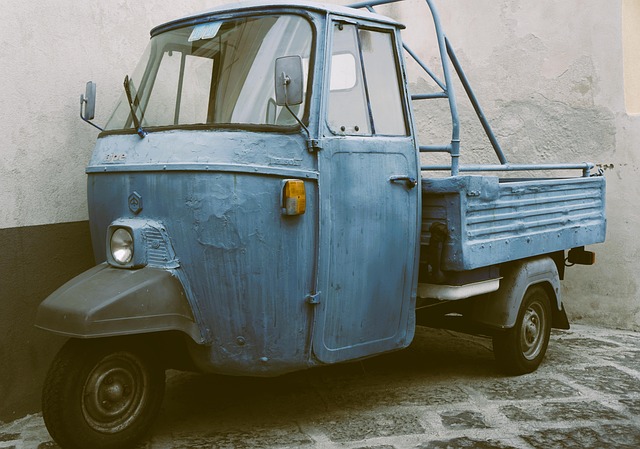
Three-wheeled vehicles (3Ws) offer a unique blend of maneuverability, efficiency, and cargo capacity, making them an ideal solution for local deliveries, especially in urban environments. These vehicles are not just a passing trend; they have a rich history dating back to the early 20th century when they were first introduced as practical alternatives to traditional cars. Today, with advancements in technology, 3Ws are experiencing a resurgence, particularly in the realms of last-mile delivery and urban logistics.
The basic design of a three-wheeled vehicle typically consists of a single front wheel and two rear wheels, providing exceptional stability and easy steering. This configuration allows for tight turns and reduced turning radii, making them adept at navigating congested city streets. Moreover, 3Ws often come in electric variants, further enhancing their appeal as eco-friendly delivery solutions. Electric three-wheeler rentals are becoming increasingly popular among businesses looking to reduce their carbon footprint without compromising operational efficiency.
When considering the adoption of three-wheeled vehicles for deliveries, it’s crucial to explore the available options, such as specialized cargo bikes and electric 3Ws designed specifically for urban logistics. These vehicles can be modified to accommodate various load requirements, from small packages to larger goods, through tailored racks, baskets, and compartments. For instance, some popular three-wheeled cargo bikes for sale offer flexible loading solutions that cater to the needs of couriers and local retailers. By selecting the right three-wheelers naturally suited to their operations, businesses can streamline their delivery processes, enhance customer satisfaction, and contribute to a more sustainable urban environment.
Advantages for Local Deliveries: Why Choose Three-Wheelers

Three-wheeled vehicles offer a compelling solution for local deliveries, presenting numerous advantages over traditional four-wheeled options. Their unique design translates to exceptional maneuverability, allowing them to navigate tight urban spaces and crowded city streets with ease. This makes them ideal for last-mile delivery services, especially in densely populated areas where efficient and swift transportation is crucial. For instance, a study by the University of Michigan found that three-wheeled vehicles can reduce delivery times by up to 25% compared to cars, thanks to their superior turning radii and compact size.
Eco-conscious businesses have also embraced three-wheeled vehicles as a sustainable alternative to fossil fuel-powered cars. Many modern three-wheeled options are available in eco-friendly variants, such as electric trike conversion kits, which significantly reduce carbon emissions. According to the International Energy Agency, the adoption of electric vehicles, including three-wheelers, could cut urban air pollution by up to 50% by 2050. Moreover, some manufacturers offer customizable features, allowing businesses to integrate their branding and specifications, ensuring a professional image while promoting environmental responsibility.
The versatility of three-wheeled bikes with sidecars further enhances their appeal for local deliveries. These vehicles can accommodate various cargo configurations, from small packages to larger items, making them suitable for diverse delivery needs. For example, a three-wheeled bike with a sidecar could efficiently transport groceries, mail, or even medical supplies, all while providing a comfortable riding experience for the courier. This adaptability ensures that businesses can meet the unique demands of different clients and services seamlessly.
Select the Right Model: Key Factors to Consider
Selecting the appropriate three-wheeled vehicle is a pivotal step for businesses focused on local deliveries, as it directly impacts efficiency, safety, and cost-effectiveness. When choosing a model, consider the specific delivery needs, terrain, and regulatory requirements. For urban settings with narrow streets and heavy traffic, a compact, agile electric three-wheeler may be ideal, such as the popular e-tuk or cargo trike options available from manufacturers like Gonow and Koni. These vehicles offer maneuverability and zero-emission benefits, aligning perfectly with eco-conscious delivery trends.
Off-road deliveries pose unique challenges that call for robust three-wheeled models designed to handle rough terrain. In such cases, consider vehicle specifications like ground clearance, tire types, and suspension systems. Vintage trike restoration services can be a valuable resource for businesses seeking classic, customizable options with off-road capabilities. For instance, the iconic Polaris Ranger or John Deere Utility Vehicles are renowned for their ruggedness and versatility in rural or construction settings.
Moreover, an electric three-wheeler rental program could be a strategic move for companies testing new delivery models or adapting to changing market demands. This approach allows for cost-efficient fleet management while exploring sustainable practices. Data suggests that electric three-wheeled vehicles can reduce carbon emissions by up to 75% compared to traditional gas-powered options, making them an increasingly attractive choice for environmentally conscious businesses.
Before making a decision, assess your delivery routes, package sizes, and expected usage frequency. Collaborate with experienced vendors who offer not just sales but also after-sales support, including maintenance services and parts availability. This ensures your fleet remains reliable and operational, contributing to seamless local deliveries.
Navigating Urban Environments: Challenges and Solutions

Navigating urban environments presents unique challenges for delivery services, particularly when it comes to efficient and sustainable transportation. Three-wheeled vehicles offer a compelling solution to these issues, with their agility, maneuverability, and ecological benefits. In densely populated areas characterized by narrow streets and heavy traffic congestion, lightweight three-wheeled mobility options can effortlessly slip through gaps that larger vehicles cannot access. For instance, a three-wheeled bike with sidecar has been shown to reduce carbon emissions significantly compared to traditional delivery vans, contributing to cleaner urban air.
One of the primary advantages of select three-wheelers is their fuel efficiency. Fuel-efficient three-wheeler options are designed to optimize energy consumption, reducing operational costs and environmental impact. These vehicles typically boast lower fuel consumption rates than their four-wheeled counterparts, making them a cost-effective choice for local deliveries. Moreover, with the growing demand for eco-friendly transportation, adopting these options can enhance a company’s public image and appeal to environmentally conscious consumers.
While three-wheeled designs excel in urban settings, ensuring safety remains paramount. Proper training and equipment are essential for drivers to navigate tight corners and heavy foot traffic effectively. Additionally, incorporating modern safety features like advanced braking systems and stability control can mitigate risks associated with these smaller vehicles. For instance, many fuel-efficient three-wheeler options now come equipped with innovative side-collision detection technology, enhancing overall safety on busy city streets.
Future Trends: The Evolving Role of Three-Wheeled Vehicles

As urban landscapes continue to evolve, three-wheeled vehicles (3Ws) are poised to play an increasingly vital role in local deliveries. Their unique design offers several advantages that make them ideal for navigating crowded city streets and efficiently serving dense population centers. The future trends in this sector point towards a significant expansion of 3W utilization, driven by technological advancements, environmental considerations, and economic practicality.
One prominent trend is the integration of electric power into 3Ws, resulting in what are often referred to as electric rickshaws. These eco-friendly vehicles reduce carbon emissions and operational costs, making them an attractive option for small businesses looking to lower their environmental impact. Examples like the popular e-rickshaw models from China have gained traction globally, with some estimates suggesting that electric three-wheelers could account for up to 40% of all three-wheeler sales by 2030. This shift towards electrification aligns with broader sustainability goals and regulatory pressures, ensuring a greener future for local deliveries.
Moreover, the resurgence of vintage restored trikes for sale is another intriguing development. These classic 3Ws not only offer charming aesthetics but also provide reliable, affordable transportation solutions. Their popularity among tourists and in specialized services like wedding celebrations showcases a growing appreciation for the unique character of three-wheeled vehicles. Small business owners can leverage this trend by curating distinct fleets that cater to niche markets, enhancing their brand identity and attracting discerning customers.
To capitalize on these trends, small businesses should consider selecting specific three-wheelers based on their operational needs. For instance, electric rickshaws are ideal for short-distance deliveries within urban areas, while robust vintage trikes might excel in rural or suburban settings. By embracing these evolving roles, 3Ws will not only enhance local delivery efficiency but also contribute to a more sustainable and vibrant urban landscape.
Three-wheeled vehicles (3Ws) have emerged as a game-changer for local deliveries, offering unique advantages over traditional four-wheeled options. By understanding their basics and navigating urban environments effectively, 3Ws can revolutionize last-mile logistics. The article highlights key benefits, such as agility in tight spaces, fuel efficiency, and lower operational costs. Selecting the right model involves considering factors like cargo capacity, maneuverability, and environmental compliance. As urban delivery demands evolve, future trends suggest an increased role for 3Ws in sustainable and efficient local transportation. By embracing these vehicles and strategically integrating them into delivery networks, businesses can optimize operations, reduce carbon footprints, and meet the challenges of modern urban logistics. Selecting the right three-wheelers is a crucial step towards a more streamlined and eco-conscious future for local deliveries.